
RESTAURANT PEOPLE
Your Team Is Your Biggest Asset —
Or Your Biggest Cost.
Most operators spend years looking for great people. The best ones build them. Learn how to hire for character, train beyond the first week, and develop the bench that lets you lead your restaurant instead of being trapped inside it.
BOOK A FREE STRATEGY CALLTHE PROBLEM
The Restaurant Runs. You Just Can't Leave It.
The dining room is full. The kitchen is running. And yet every shift still runs through you. The floor needs a decision. A server calls out. A line cook doesn't show. Nothing moves without the owner in the middle of it — because no one was ever built to handle it without you.
- You hire for experience and get unreliability — the same cycle, with different faces
- Training ends after the first week because there's no time and no system for anything more
- Your best staff manage themselves while everyone else drifts to their own standard
- You promote whoever's been there longest when a management slot opens — not whoever's most ready
- Turnover is constant, training costs are real, and the team never quite builds the depth you need
- You can't step away because the restaurant only runs when you're present for every decision
"You don't find great servers. You build them."
This is a systems problem, not a labor market problem. The restaurants that build exceptional teams didn't get lucky with hiring. They built a process — for who they bring in, how they develop them, and how they grow them into leaders.
THE FOUNDATION
Hire for Who They Are. Teach Them Everything Else.
James Beard Award–winning Chef Katie Button of Cúrate didn't plan to open a restaurant. She failed a hospitality vocabulary quiz her first day at Café Atlántico. They hired her anyway — because she aced the food, and because what she had couldn't be taught. That insight has shaped how she hires to this day.
"You can teach someone to serve from the left and clear from the right. You cannot teach them to want to take care of people."
— Chef Katie Button, Cúrate, James Beard Award: Outstanding Hospitality
Danny Meyer called them the 51 percenters — people who lead with warmth, hospitality, and a genuine desire to make someone's evening better. Skills can be developed. Character cannot. Here's what hiring for character actually looks like in practice.
THE FRAMEWORK
Most Restaurants Only Train at Level One.
Shadow shifts are not training. Observation is not training. Most restaurants get a new hire competent enough to take a station — and call that the program. The operators who build great teams, low turnover, and managers who actually manage train in three levels. Here's what each one looks like.
Week One
Level 1
Ready For the Floor
Structured day-by-day schedule. New hire packet with handbook, menu, floor plan, and training timeline. Daily end-of-shift quizzes. A formal sign-off test before anyone takes a solo station. Most restaurants stop here.
Days 1-90
Level 2
As Good as Your Best
Food tastings, spirit education, wine classes, menu deep dives — three sessions per week through the first 90 days. 30, 60, and 90-day check-ins. The goal: get every new hire to your best employee's level before the quarter ends. Almost no one builds this.
Ongoing
Level 3
Build the Bench
Annual development conversations with every team member. Cross-training and stretch assignments. Internal pipelines built before you need them — not the Sunday morning after a Saturday night firing. The restaurant that doesn't need you for every decision starts here.
GO DEEPER
People Articles from the Podcast
Every article below is drawn from a real conversation on the Restaurant Strategy Podcast — practical, operator-focused, and built around the same frameworks you use to run a profitable restaurant.
WHAT"S AT RISK
What Keeps Happening When There's No People System
Without a hiring, training, and development system in place, the same problems come back — with different faces — every few months:
- You rehire for the same role every six months because nothing ever trained anyone to stay
- A manager leaves and you look around and realize there's nobody ready to step up
- Your best server trains your worst one — and now you have two inconsistent ones
- Guest experience varies wildly by shift because the standard only lives in your head
- Labor is always either too high or too thin because nobody manages it against a target
- You're still the one making every floor decision because you never built anyone to make them without you
High turnover isn't just a morale problem. Every time someone leaves and has to be replaced, you're paying to train again — quietly eroding the margin you worked to build.
WHAT OPERATORS ARE SAYING
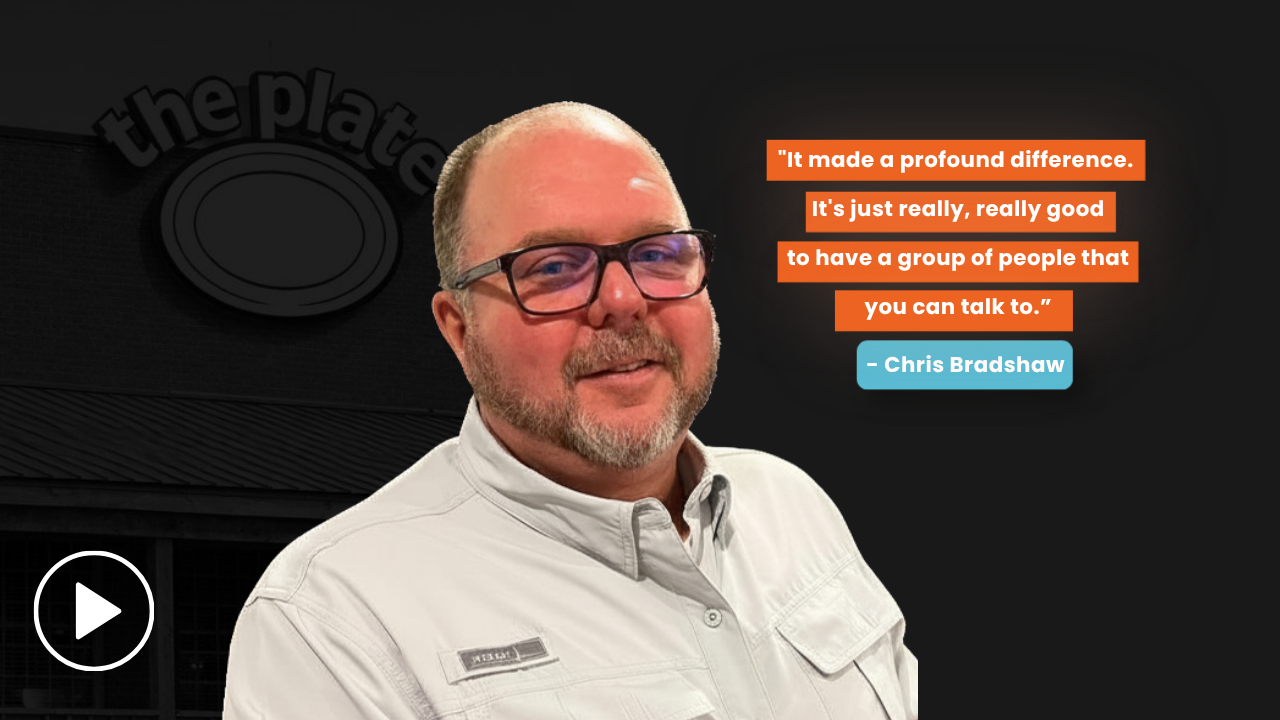
“We took Blue Plate Restaurant from 12% to 20%+ margins with P3 Mastermind.”
Chris Bradshaw
The Blue Plate
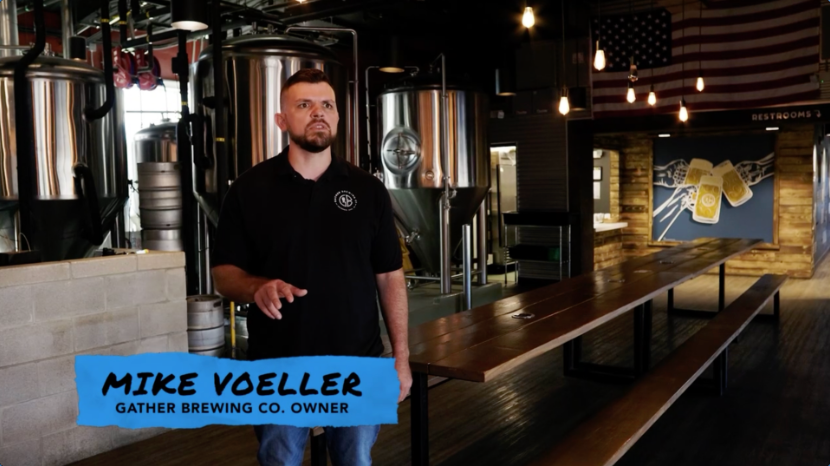
We increased profitability from 5% to 18% in two months with P3 Mastermind.”
Mike & Rachel Voeller
Gather Brewing Co
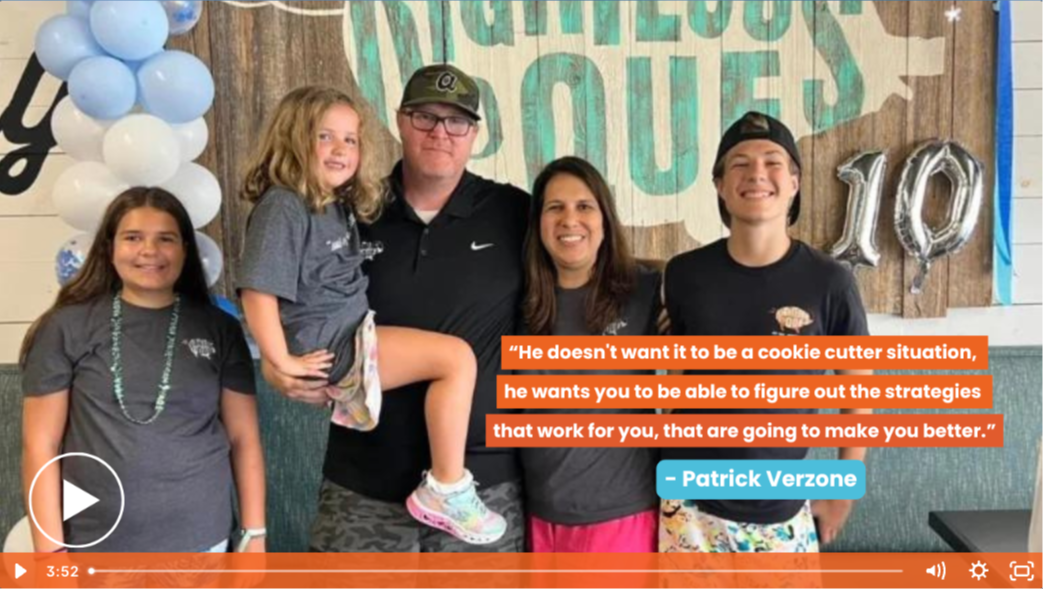
“A leap from inconsistent profits to 40% business growth and 28% net profit.”
Patrick Verzone
Heritage Restaurant
THE OUTCOME
What a Restaurant Built on the Right People Feels Like
When your people systems are working, the whole operation shifts — in the numbers and in how it feels to walk through the door every day.
A Restaurant That Runs Without You
Managers manage by the numbers. Standards hold on the shifts you're not there for. Decisions get made without a call to the owner.
Low Turnover, Deep Bench
People stay because they're growing. When a role opens, someone is already ready — because you built the pipeline before you needed it.
Consistent Guest Experience
The standard doesn't live in your head anymore. It lives in the training program, the daily check-ins, and the culture your team actually owns.
Staff That Sells
Well-trained servers don't just take orders. They guide experiences, increase check averages, and drive repeat visits that determine your restaurant's sustainability.
THE SIX PILLARS
Profit doesn't come from one thing. It comes from six things working together.

Profitability
Revenue without margin is just activity. Topline growth means nothing without bottom-line protection.

Marketing
Marketing drives the first visit. Revenue systems determine how much each guest is worth.

Revenue
Controlling costs gets you to break-even. Growing revenue gets you to real profit.

People
Your team is your biggest asset — or your biggest cost. Learn to make the difference.

Leadership
Great restaurants aren't built alone. Lead a team that drives results for you.

Operations
Chaos kills profit. Systematize your restaurant so it runs without burning you out.
THE P3 MASTERMIND
Let's Talk About Your Team.
In 30 minutes, we'll look at your people systems — hiring, training, development — and give you a clear picture of what's creating the most drag. No pressure. No pitch. Just an honest conversation about what needs to change.
SCHEDULE A CALL