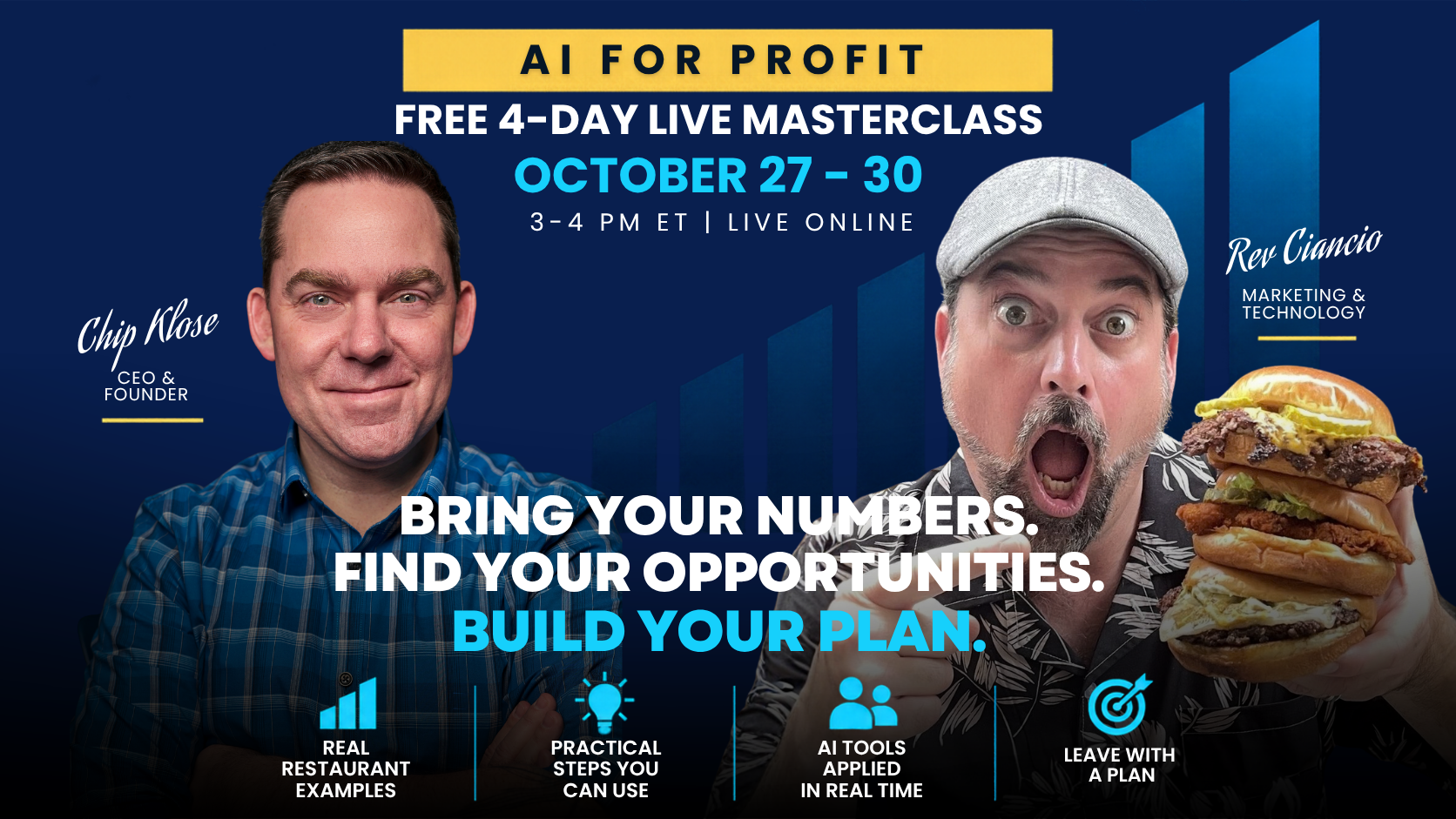
RESTAURANT PROFITABILITY
A Full Dining Room
Doesn't Guarantee Profit.
Most restaurant owners measure success by how busy they are. But revenue without margin control is just activity. Learn the financial systems, levers, and disciplines that turn a busy restaurant into a profitable one.
GO DEEPER
Profit, Unpacked — Articles, Episodes, and Deep Dives
Every article below is drawn from a real conversation on the Restaurant Strategy Podcast — practical, operator-focused, and built around the same frameworks you use to run a profitable restaurant.
THE PROBLEM
You're Working Hard—The P&L Tells a Different Story
The dining room is packed. The kitchen is running hard. Tickets are flying. And at the end of the month, the numbers don't reflect any of it. If this is your restaurant, you're not alone — and the problem usually isn't effort.
- Food costs drift up every month, and you're not sure exactly where the money is going
- Labor eats into revenue, no matter how tightly you think you're scheduling
- You raise prices, and the profit still doesn't improve as much as it should
- You check the P&L monthly — by then it's too late to fix anything
- You're working 60+ hours a week, and the restaurant still needs you there for every decision
"Profit is not a byproduct of being busy. It's a destination you have to choose first — and then build a path toward."
The good news: profitability problems are almost always systems problems. Which means they're fixable.
THE FRAMEWORK
The 30-30-20 Rule: A Clear Path to Profit
After working with hundreds of independent restaurant owners, the math always comes back to the same structure. This isn't magic — it's a target that provides a reference point for every financial decision.
30%
FOOD & BEV COST
30%
LABOR COST
30%
OPERATING EXPENSE
20%
PROFIT
There are three jobs marketing has to do. Most operators only work on one. Here's where your energy should actually go.
60%
Prime cost should stay at or below 60% of revenue. If yours is above that line right now, that's the first problem to solve — before marketing, before concept changes, before anything else.
CONTROLLING FOOD COSTS
Five Ways to Control Food Cost Before Raising Prices
COGS is one of the most controllable variables in your restaurant — but most operators reach for a price increase before working these five levers. Raising prices should be the last move, not the first.
01
Renegotiate With Your Vendors
If you've been a consistent, reliable customer, you have leverage — and most operators never use it. Ask for volume-based pricing, consolidated orders, or extended payment terms. If a vendor won't negotiate, that's a signal to shop around.
02
Source a Different Vendor or Ingredient
A different distributor, a local farm, a co-op arrangement — the options are more varied than most operators realize. Ingredient substitution can also play a role when a comparable product performs just as well at a lower cost.
03
Tighten Portion Control
One extra ounce of protein on a dish served 100 times per week is over 300 extra pounds of product per year — product you paid for but never charged for. Pre-portion proteins before service. Make the right portion the path of least resistance.
04
Reduce Waste Systematically
Spoilage, over-trimming, unrung tickets — most restaurants don't track waste at all. Start with a simple clipboard. Once you know where the money is going, you can build systems to stop it.
05
Engineer Your Menu Around Margin
Every item on your menu is a Star, Workhorse, Puzzle, or Dog. Menu engineering means promoting your Stars, repositioning your Puzzles, adjusting your Workhorses, and eliminating your Dogs. It's the highest-leverage tool most operators underuse.
WHAT"S AT RISK
What Happens When There's No System Behind the Revenue
Without financial systems in place, here's what most operators keep experiencing — month after month, year after year:
- A busy restaurant that still can't seem to generate meaningful profit at month's end
- Food cost spikes that catch you off guard because you're reviewing the P&L monthly instead of weekly
- Labor schedules built on gut feel instead of projected revenue — always too high or too thin
- No pro forma to budget against, so every surprise feels like a crisis
- A slowdown hits and you realize you were one revenue dip away from real trouble
- You can never fully step away because the restaurant only runs when you're there
The slowdown doesn't create vulnerability. It reveals the vulnerability that was already there.
WHAT OPERATORS ARE SAYING
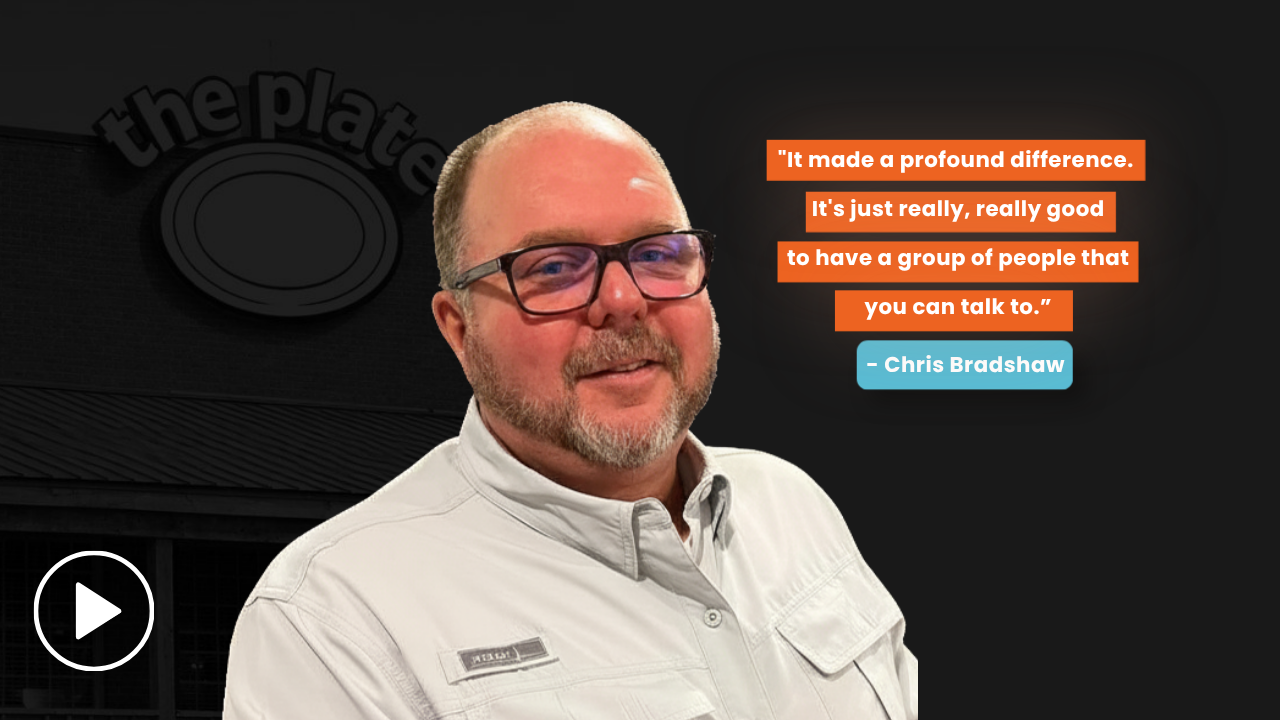
“We took Blue Plate Restaurant from 12% to 20%+ margins with P3 Mastermind.”
Chris Bradshaw
The Blue Plate
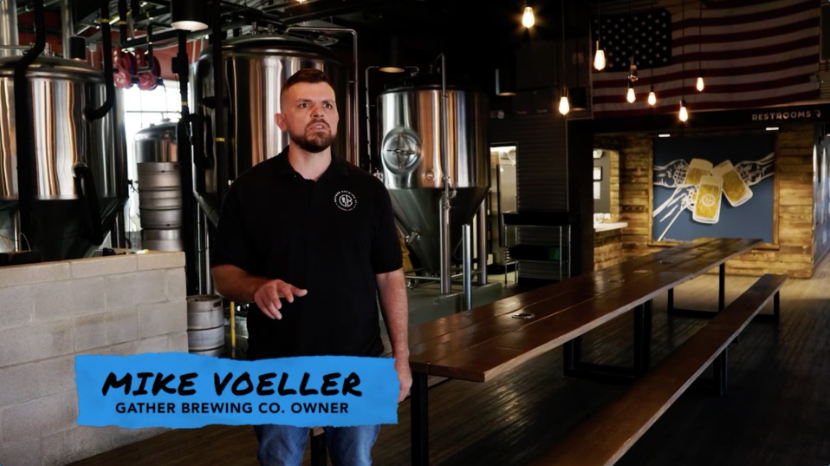
"We increased profitability from 5% to 18% in two months with P3 Mastermind.”
Mike & Rachel Voeller
Gather Brewing Co
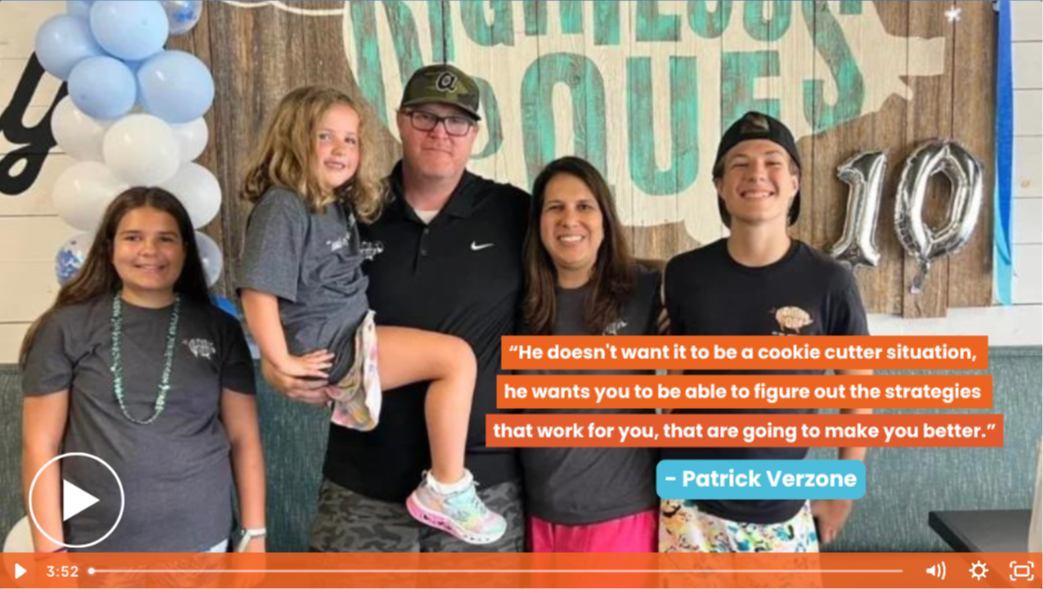
“A leap from inconsistent profits to 40% business growth and 28% net profit.”
Patrick Verzone
Righteous 'Que
THE OUTCOME
What a Profitable Restaurant Actually Feels Like to Run
When the financial systems are working, you'll notice it in the numbers first. Then in how it feels to walk into your restaurant every day.
No More End-of-Month Surprises
You know your prime cost every week. Problems surface fast — and get fixed before they compound.
A Restaurant That Runs Without You
Systems replace presence. Managers manage by numbers. You lead the business instead of operating it.
Margin That Holds in a Slowdown
You've built the differentiation and the financial discipline to weather soft periods without panic.
Profit as the Goal — Not a Byproduct
Every pricing decision, every schedule, every menu change gets made with a clear target in mind.
THE LIBRARY
The Six Systems Behind Every Profitable Restaurant
Profit doesn't come from one thing. It comes from six things working together.

Profitability
Revenue without margin is just activity. Topline growth means nothing without bottom-line protection.

Marketing
Marketing drives the first visit. Revenue systems determine how much each guest is worth.

Revenue
Controlling costs gets you to break-even. Growing revenue gets you to real profit.

People
Your team is your biggest asset — or your biggest cost. Learn to make the difference.

Leadership
Great restaurants aren't built alone. Lead a team that drives results for you.

Operations
Chaos kills profit. Systematize your restaurant so it runs without burning you out.
THE P3 MASTERMIND
Let's Look at Your Numbers Together
In 30 minutes, we'll show you exactly where your profitability is leaking — and what to fix first. No pressure. No pitch. Just clarity.
SCHEDULE A FREE STRATEGY SESSION