RESTAURANT OPERATIONS
Chaos Kills Profit.
Systems Fix It.
If your restaurant can't run without you, you don't own a business — you own a job. Learn how to build the operational systems, financial rhythms, and daily disciplines that make your restaurant consistent, scalable, and profitable without you in the middle of everything.
GO DEEPER
Operations, Unpacked — Articles, Episodes, and Deep Dives
Every article below is drawn from a real conversation on the Restaurant Strategy Podcast — practical, operator-focused, and built around the same frameworks you use to run a profitable restaurant.
THE PROBLEM
Everything Runs Through You — Nothing Runs Without You
The most common gap in independent restaurants isn't bad food, bad service, or bad location. It's operators running brilliant businesses out of their heads instead of on paper. Every process lives in the owner's brain. When something breaks, the owner fixes it. When someone doesn't know what to do, they ask the owner.
- You can't take a vacation without the phone blowing up
- Standards hold when you're there — and slip the moment you're not
- You find out about problems when the monthly P&L arrives, not when they're still fixable
- Labor costs climb because nobody manages scheduling against a revenue target
- Your best cook calls out and the kitchen falls apart — because there's no system, just dependency
- You've been meaning to write the SOPs for two years. They still don't exist.
"A system is simply a repeatable set of actions. If it's repeatable, you can teach it. If you can teach it, it doesn't require you to be present."
That model doesn't scale. And it doesn't produce profit. The gap between a restaurant that runs and a restaurant that runs well — without the owner — is almost entirely explained by systems.
THE FRAMEWORK
Four Systems Every Restaurant Needs to Run Without You
These aren't nice-to-haves. They're the architecture of a business that produces consistent profit, month after month, whether you're there or not.
01
The Staffing System
What happens when someone walks in looking for work? What does week one training look like? What does 90-day success mean? How do you identify talent and develop it toward leadership? Most restaurants stop at week one. That's why turnover never ends.
02
The Profitability System
A weekly financial rhythm — not just a monthly P&L review. Daily revenue and cover counts. Weekly food cost and labor cost percentages. Monthly budget-vs-actual comparison. If you're not measuring toward the 30-30-20 target weekly, you're hoping instead of managing.
03
The Marketing System
A set budget committed every month. A documented strategy tied to a specific audience. A month-by-month calendar of what you're doing, when, and why. Without these three things, marketing is reactive. With them, it becomes a growth tool you can actually measure.
04
The Daily Operations System
SOPs for every task — opening, closing, prep, inventory, complaint handling, table resets. Get it out of your head and onto paper. Once it's documented, it's teachable. Once it's teachable, it's scalable. And it no longer requires you to be there.
The Financial Cadence That Keeps You Out of Surprises
Waiting for the monthly P&L to catch problems is too slow. Here's the rhythm profitable restaurants run on.
DAILY
TRACK
Revenue, cover count, and per-person average. Every day. Without exception.
WEEKLY
CALCULATE
Food cost %, labor cost %, and prime cost. Small problems caught weekly don't become large problems monthly.
MONTHLY
REVIEW
Full P&L vs. pro forma. What did you project? What happened? Where did it drift, and why?
Neglect any one of these, and instability follows. The leader's job is to hold all three simultaneously.
CASE STUDY
The Difference Between Managing a Shift and Managing a Profitable Shift
Steven Bloom is the General Manager of Il Buco in Manhattan — one of New York's most enduring fine dining institutions, approaching its 30th year. He's spent two decades developing management talent in some of the most demanding restaurants in the country. His first lesson upon moving into management: he had no idea what management actually was.
That realization drives everything he teaches. And it's exactly what Anthony Valletta, President of Bartaco, put into practice across his portfolio, with results that showed up fast.
"Our team now throws the best party in town. We don't sell tacos and tequila — we sell fun."
— Anthony Valletta, President, Bartaco
Most independent restaurants promote great servers into management without training, a financial context, or a clear scope of responsibility. Six months later, nothing has changed — the manager is just an expensive firefighter, and the owner is still the person who shows up when anything actually matters. Great managers aren't found. They're built through three disciplines.
WHAT'S AT RISK
What Keeps Happening When There Are No Systems
Without operational systems in place, the same problems come back — at different costs, in different forms — every few months:
- Standards drift the moment you're not there — because the standard only exists in your head
- Labor is always slightly off because nobody schedules against a projected revenue number
- You find out food costs spiked in the monthly P&L, six weeks after you could have fixed it
- A key employee leaves and the knowledge leaves with them — because nothing was ever documented
- Occupancy eats profit silently — a bad lease signed without a financial model to validate it
- You work 60-plus hours a week and still feel like you can't afford to step away for a single weekend
A restaurant that depends on the owner's presence for every decision isn't an asset. It's a liability wearing a brand.
WHAT OPERATORS ARE SAYING
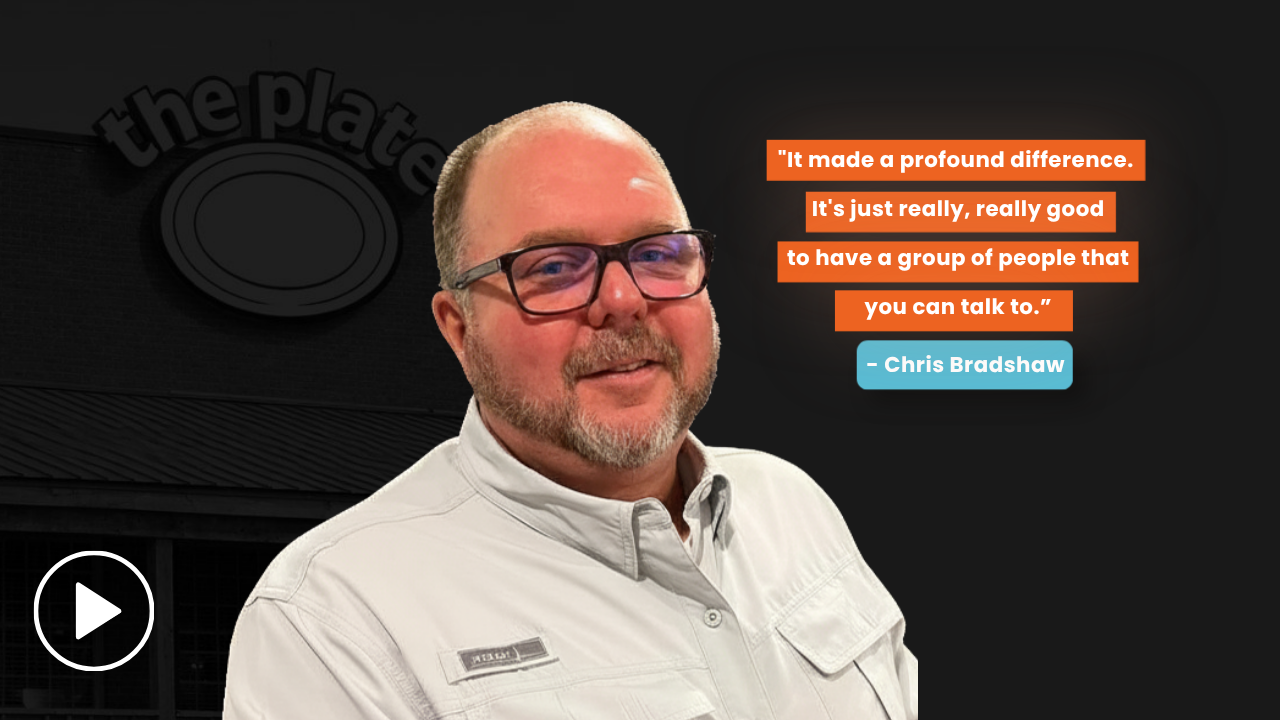
“We took Blue Plate Restaurant from 12% to 20%+ margins with P3 Mastermind.”
Chris Bradshaw
The Blue Plate
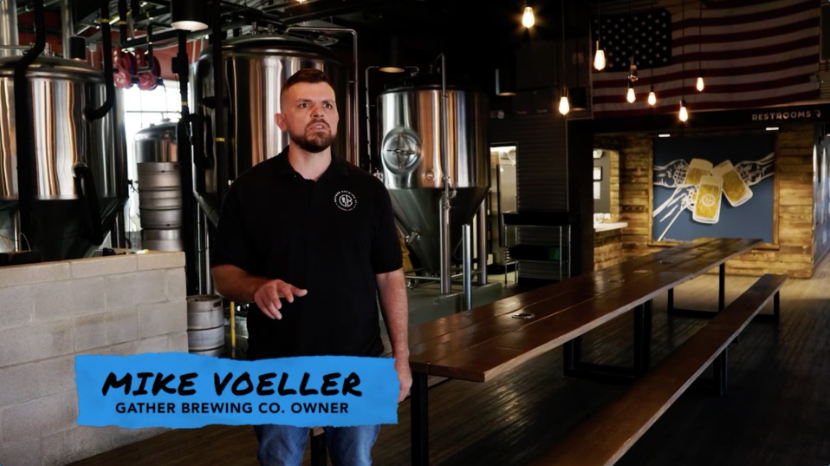
"We increased profitability from 5% to 18% in two months with P3 Mastermind.”
Mike & Rachel Voeller
Gather Brewing Co
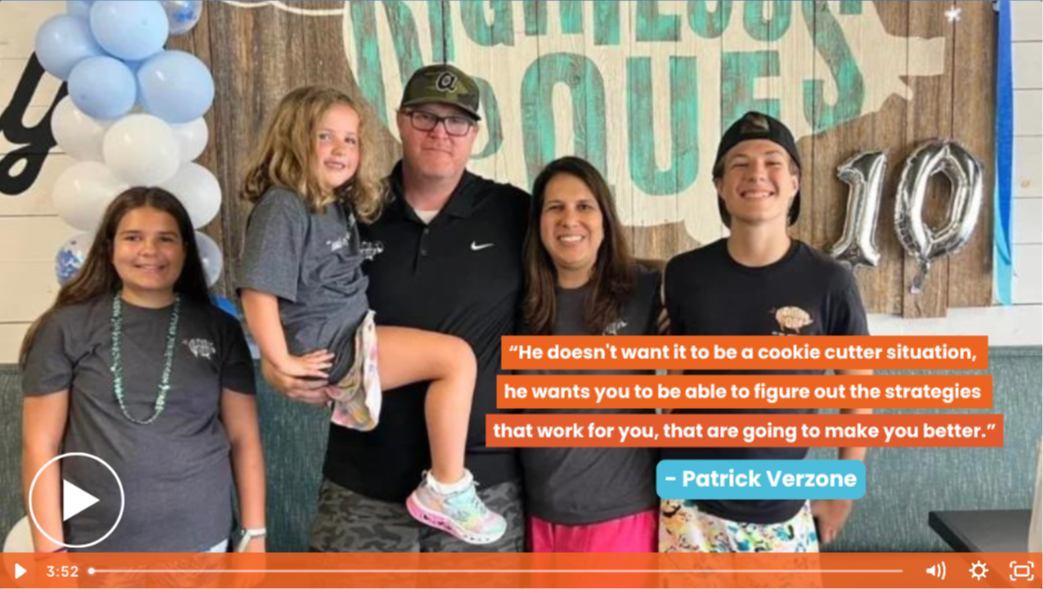
“A leap from inconsistent profits to 40% business growth and 28% net profit.”
Patrick Verzone
Righteous 'Que
THE SIX PILLARS
The Six Systems Behind Every Profitable Restaurant
Profit doesn't come from one thing. It comes from six things working together.

Profitability
Revenue without margin is just activity. Topline growth means nothing without bottom-line protection.

Marketing
Marketing drives the first visit. Revenue systems determine how much each guest is worth.

Revenue
Controlling costs gets you to break-even. Growing revenue gets you to real profit.

People
Your team is your biggest asset — or your biggest cost. Learn to make the difference.

Leadership
Great restaurants aren't built alone. Lead a team that drives results for you.

Operations
Chaos kills profit. Systematize your restaurant so it runs without burning you out.
THE OUTCOME
What a Well-Run Restaurant Actually Looks Like
When operations are working, you feel it before you see it in the numbers. Then the numbers confirm it.
Consistent on Every Shift
Standards don't depend on who's working. SOPs create the floor — and the team holds it without being managed to it daily.
No More End-of-Month Surprises
Weekly financial tracking means problems surface early. You fix them in week two, not after the period closes.
Labor That Matches Revenue
Scheduling is built against projected revenue, not gut feel. Labor stays in range because there's a target to manage against.
A Restaurant You Can Step Away From
Systems replace your presence. Managers manage by the numbers. You take a weekend off and the restaurant runs.
THE P3 MASTERMIND
Let's Look at How Your Restaurant Actually Runs.
In 30 minutes, we'll identify which operational systems are costing you the most — and give you a clear picture of what to build first. No pressure. No pitch. Just an honest look at what's keeping you in the middle of everything.
SCHEDULE A FREE STRATEGY SESSION