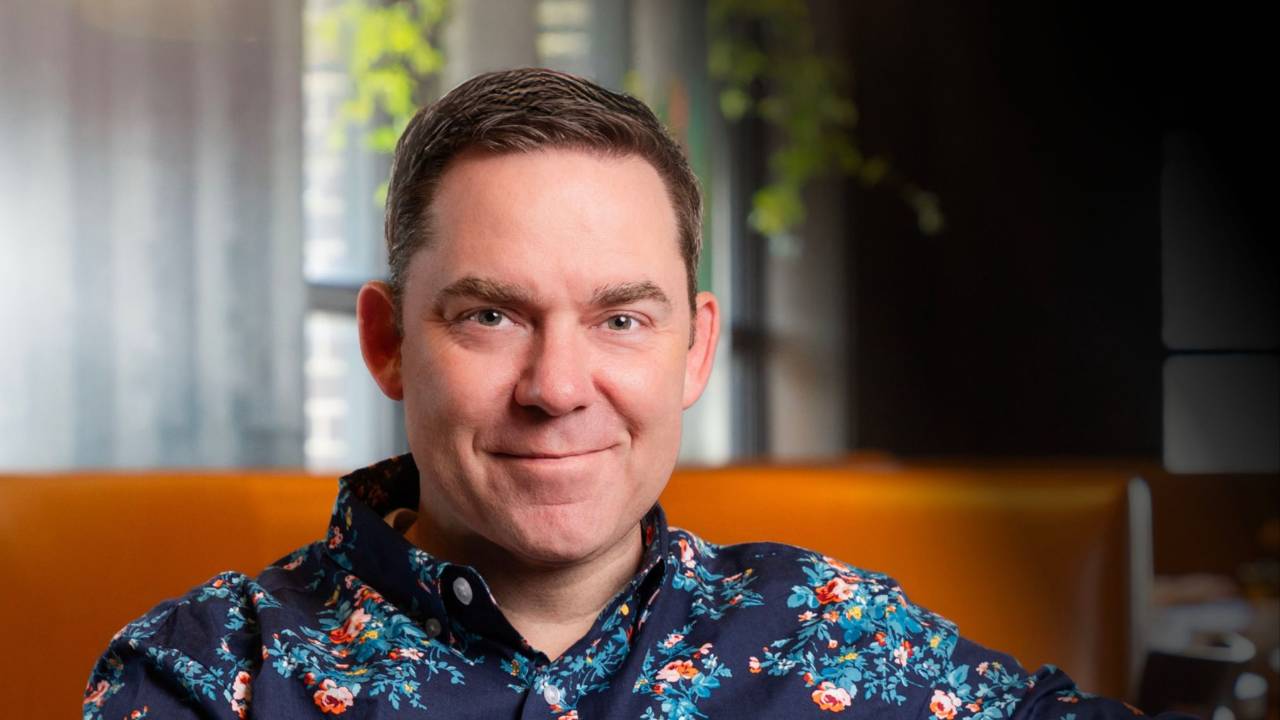
Jon Taffer on Restaurant Profitability and Leadership Lessons
Most restaurant owners believe their biggest problems are food cost, labor, or inflation.
Jon Taffer disagrees.
According to the hospitality icon and host of Bar Rescue, the biggest problem in most restaurants is leadership. Not bad intentions. Not lack of effort. Not even bad locations.
The real problem is a lack of clarity around accountability, systems, and the financial discipline required to run a profitable business.
After decades rescuing struggling bars and restaurants, Taffer has seen the same patterns repeat over and over. In this conversation, he breaks down what separates thriving restaurants from the ones barely surviving.
Why Profitability Starts With Leadership, Not Numbers
One of Taffer's core beliefs: restaurants rarely fail because of the concept. They fail because of leadership.
The pattern he sees constantly: the owner is working 70 hours a week. They care deeply about the business. And despite all that effort, the business still cannot generate consistent profit.
"That's not a work ethic problem," Taffer says. "It's a leadership problem."
Strong leaders set clear expectations, build systems, enforce accountability, and measure performance constantly. Weak leaders rely on effort and hope. They work harder instead of building a system that works.
The Most Dangerous Mindset in Restaurants
Taffer calls it 'emotional ownership' — and he sees it everywhere.
When operators become emotionally attached to their concept, they stop evaluating decisions objectively. They protect menu items that aren't profitable. They tolerate underperforming staff. They avoid making hard financial decisions because it feels like a betrayal of the vision.
His view: restaurants must be run as businesses first. Passion should support the business — it should never replace financial discipline.
The #1 Profitability Move: Menu Engineering
When asked what one thing operators could do today to immediately improve profitability, Taffer didn't hesitate.
"Menu engineering."
His approach is specific and proven:
- Identify your highest-profit item and box it in the center of the menu — sales will increase 20%
- Move your second and third most profitable items to the bottom of each category list — 9.6% of guests default to ordering from the bottom
- Eliminate price points that don't end in .95 — there's no $8.25, no $8.50. Go to $8.95 or $9.95. Psychological pricing leaves real money on the table
- Hide low-margin, high-popularity items in the least prominent menu position — they'll stay for regulars but stop driving new orders
"If you do this, I guarantee you'll raise sales 7–8% and drop a point and a half off your food cost," Taffer says. "And it's automatic."
The Systems Behind Profitable Restaurants
Profitable restaurants don't rely on memory or intuition. They rely on repeatable processes — for ordering, training, service, and financial review.
Without systems, every shift becomes unpredictable. Employees make decisions based on personal judgment. Managers improvise. Owners step in constantly.
The restaurant becomes dependent on the owner's presence. That's not scalable. And it's not profitable.
Taffer's thesis: systems create two outcomes. First, they reduce chaos. Second, they create accountability. When expectations are clear and measurable, performance improves.
Accountability Is the Engine of Profit
Many restaurant owners struggle with accountability. They hesitate to confront employees. They avoid difficult conversations. They prioritize being liked instead of being respected.
Taffer sees this as one of the most damaging leadership habits in the industry.
Every employee must understand: what success looks like, what metrics matter, and what happens when standards aren't met. Accountability isn't punishment. It's clarity. And without it, inconsistency destroys margins.
'Compress in the Back, Not in the Front'
In a compression economy — where costs are rising and consumer spending is tighter — Taffer's advice is direct:
Compress your menu. Compress your back-of-house costs. Compress your hours if you need to. But do not compress your front-of-house service. Do not compress the human connection between your staff and your guests.
"Brand loyalty is extremely low right now," he says. "New generations don't care about a 25-year-old brand. They care about connectivity — about whether your team makes them feel seen."
Increase guest visit frequency by one visit per month and you generate roughly an 11–12% increase in revenue. That's the power of connection over acquisition.
Practical Profitability Actions to Take Today
- Engineer your menu — box your highest-profit item, restructure pricing to .95 endings
- Know your numbers weekly — prime cost, labor percentage, food cost, average check
- Build systems for every critical function — ordering, prep, service, financial review
- Hold people accountable — set clear, measurable expectations and address problems immediately
- Eliminate tolerated problems — every problem you accept becomes part of the system
- Lead with clarity — employees perform best when they know exactly what winning looks like
Is This Your Restaurant?
If Taffer's bluntness resonated — if you recognize the patterns he's describing in your own operation — the work is clear.
Inside the P3 Mastermind, we work with independent restaurant owners doing $1M to $3M in annual revenue to install exactly these systems: financial clarity, operational discipline, and the leadership structure that produces consistent, predictable profit.
→ Learn more about the P3 Mastermind
Which of these leadership lessons hit closest to home for your restaurant? Drop it in the comments — I read every one.
Frequently Asked Questions
What does Jon Taffer say is the biggest problem in restaurants?
Leadership. According to Taffer, most restaurants don't fail because of the concept or the location — they fail because operators lack the accountability structures, systems, and financial discipline required to produce consistent profit.
What is menu engineering and why does it matter?
Menu engineering is the practice of designing your menu based on the profitability and popularity of each item. By strategically placing high-margin items and using psychological pricing, operators can increase sales by 7–8% and reduce food cost by 1–2 points without changing a single recipe.
What does 'compress in the back, not in the front' mean?
It's Taffer's advice for navigating a compression economy: reduce costs in the kitchen and back-of-house operations, but protect the human connection between staff and guests. Connectivity — the personal relationship between server and guest — is what drives repeat visits.
How does accountability affect restaurant profitability?
When employees know exactly what success looks like and what happens when standards aren't met, performance becomes more consistent. Consistency directly improves margins. The absence of accountability creates the inconsistency that slowly erodes profit.
What is the 'cost of tolerance' in restaurant management?
Every time a restaurant owner tolerates a problem — poor service, inconsistent food quality, underperforming staff — that problem becomes embedded in the system. The cost accumulates in lost revenue, damaged reviews, and reduced guest loyalty. Addressing problems quickly is itself a profitability strategy.
AUTHOR