
RESTAURANT LEADERSHIP
Great Restaurants Aren't
Built Alone.
Every problem in your restaurant is a leadership problem. Not because you caused it — because leadership is responsible for fixing it. Learn the mindset shift, the manager development framework, and the financial discipline that take you from operator to owner.
GO DEEPER
Leadership, Unpacked — Articles, Episodes, and Deep Dives
Every article below is drawn from a real conversation on the Restaurant Strategy Podcast — practical, operator-focused, and built around the same frameworks you use to run a profitable restaurant.
THE PROBLEM
You're Working Like an Operator — You Need to Think Like an Owner
Most restaurant owners come into this industry because they love food, hospitality, or the energy of a full dining room. What nobody told them is that running a business requires a completely different set of skills than running a restaurant. And until that shift happens, the business stays dependent on the person at the top for everything.
- Your best server got promoted — now they're an expensive firefighter and you're still the one everyone calls
- You have managers who run shifts but don't manage profitability — because nobody ever taught them the difference
- You're making decisions based on gut feel because no financial framework was ever built to make them from
- Staff are consistently late, standards drift, and problems keep recurring — and it feels like a people problem when it's actually a leadership problem
- You know roughly how the month went — but you couldn't tell anyone your prime cost within a few points right now
- You can't take a real vacation, step back from operations, or even have a difficult weekend without everything unraveling
"All of our problems in restaurants are leadership problems. Whatever's going wrong — assume it's your fault. Not because you caused it. But because leadership is responsible for fixing it."
That's not a comfortable idea. But it's also the most empowering one in this business — because it means everything is within your power to change.
THE MINDSET SHIFT
Stop Thinking Like a Chef — Start Leading Like a CEO
There's a moment in every successful operator's journey where the job description changes. The food still matters. The hospitality still matters. But the restaurant can no longer be sustained on passion alone. It needs structure, financial discipline, and leadership depth that doesn't depend on one person's presence.
There are three kinds of restaurant owners when it comes to this shift. Which one are you?
TYPE ONE
They Already See It
They know profitability is the central issue. They understand a packed dining room and a profitable business aren't the same thing. They improve fast — because they're willing to face the numbers honestly.
TYPE TWO
They Refuse to Look
They blame vendors, the landlord, and the economy. They pour energy into culinary creativity while ignoring the financial structure underneath. In many cases, the restaurant survives only because the owner keeps injecting personal money.
TYPE THREE - THE LARGEST GROUP
They Can See When Shown
Most operators were never taught how profit actually works. They understand hospitality — but no one ever gave them a financial framework. Once someone shows them the system, everything changes fast. If you're reading this, you're probably here.
The shift isn't about abandoning what you love. It's about recognizing that the restaurant is a business — and it needs to be led like one. That means holding three responsibilities at once.
A Consistently Excellent Guest Experience
The foundation. Without this, nothing else matters — no financial system can compensate for a dining room that doesn't deliver.
A Team That Develops and Grows
Building managers who can run profitable shifts, not just operational ones. Creating the depth that lets the restaurant run without you.
The Financial Health of the Business
Profit sits at the center — because it's what allows everything else to exist. Without it, the guest experience and the team eventually collapse.
Neglect any one of these, and instability follows. The leader's job is to hold all three simultaneously.
MANAGER DEVELOPMENT
The Difference Between Managing a Shift and Managing a Profitable Shift
Steven Bloom is the General Manager of Il Buco in Manhattan — one of New York's most enduring fine dining institutions, approaching its 30th year. He's spent two decades developing management talent in some of the most demanding restaurants in the country. His first lesson when he moved into management: he had no idea what management actually was.
"Ninety percent of managing is: don't mess with their money, don't mess with their schedule."
— Steven Bloom, General Manager, Il Buco, Manhattan
Most independent restaurants promote great servers into management without training, a financial context, or a clear scope of responsibility. Six months later, nothing has changed — the manager is just an expensive firefighter, and the owner is still the person who shows up when anything actually matters. Great managers aren't found. They're built through three disciplines.
01
Operational Awareness
Before a manager runs a shift, they need to understand the building — where dry goods are, what inventory looks like, what deliveries are arriving, and what par levels are. This sounds like stock work. But it's financial literacy with training wheels. Confidence on the floor starts with understanding cost. And a manager who knows exactly where the coffee cups are will never let a server panic unnecessarily — because they already know we have 200 more in the back.
02
Financial Literacy — Built Through Ownership
Start small. Give a new manager one line item — paper goods, for example. One budget number. One percentage tied directly to revenue. Something powerful happens over the next few months: they start tracking it. They start noticing variance. They start asking questions. Broken glassware and wasted supplies stop being abstract — it's their number. Financial literacy grows through ownership and repetition, not through lectures. Responsibility expands from there: variable expenses, then COGS, then labor percentages, then the full P&L.
03
Leadership Under Pressure
The real test of leadership isn't a quiet Tuesday. It's when the health department walks in unannounced, or the door is 40 minutes behind on reservations, or two cooks call out on a Saturday night. The manager who panics signals the situation is out of control. The manager who stays measured signals the problem can be handled. That signal spreads — to the floor, the kitchen, even the guests. Great operators model this behavior. They absorb the chaos and present calm. Teams learn by watching their leaders.
THE PROFT SYSTEM
Profit Is a Destination — Here's the Path.
A restaurant that doesn't produce profit is not a business — it's a hobby that slowly drains your money, your energy, and your time. Profit isn't greedy. It isn't something to feel awkward about. It's your reward for building something real. And without it, everything eventually collapses — no matter how good your food is.
Strong restaurant leaders don't rely on hope. They build systems. Here's the four-step framework behind consistent 20% margins.
01
Forecast Your Revenue
How many covers, at what average check, on which days? This is what the big chains do exceptionally well and what most independent operators never do at all. You cannot manage toward a target you've never set.
02
Build a Real Budget — Before the Month Starts
Once you know your revenue target, you know exactly what you can spend. If you're projecting $100,000 and targeting 20% profit, you need $20,000 at the bottom line. That tells you precisely where food, labor, and operating expenses need to land. Here are the targets to build toward:
03
Compare Budget vs. Actual — Every Single Month
Building the budget is step one. The real power is placing your projection next to your actual P&L after every period closes. Where did you land? Where did you miss? Why? Do this consistently and projections get sharper. Patterns emerge. You catch problems before they compound.
04
Teach Managers to Manage by the Numbers
You can have a perfect budget — but if your floor manager doesn't know what prime cost is, and your chef has no idea what their food budget is for the week, they're burning your profit without knowing it. Your chef needs to know that $7,000 is the weekly food and beverage budget if you're targeting 30% COGS on $100,000 in revenue. That number has to be real to them. Managers who manage by numbers protect the business. Managers who only manage operations don't.
WHAT'S AT RISK
What Keeps Happening Without the Leadership Shift
Without the shift from operator to owner, the same patterns repeat — at higher cost, with more exhaustion — every year:
- Managers run shifts but not profitability — costs drift and nobody catches it until month's end
- You review the P&L after it closes and realize there's almost nothing there — again
- The management pipeline empties every time someone good leaves, because no bench was ever built
- Problems keep recurring because leadership is treating symptoms — not building systems to prevent them
- You're working 60+ hours a week, still personally responsible for every major decision, and further from the life you opened the restaurant to build
- A slow month or unexpected expense arrives — and there's no cushion, because profit was never protected first
A restaurant that depends on one person to function isn't sustainable. And the longer that person delays the shift, the more expensive the delay becomes.
WHAT OPERATORS ARE SAYING
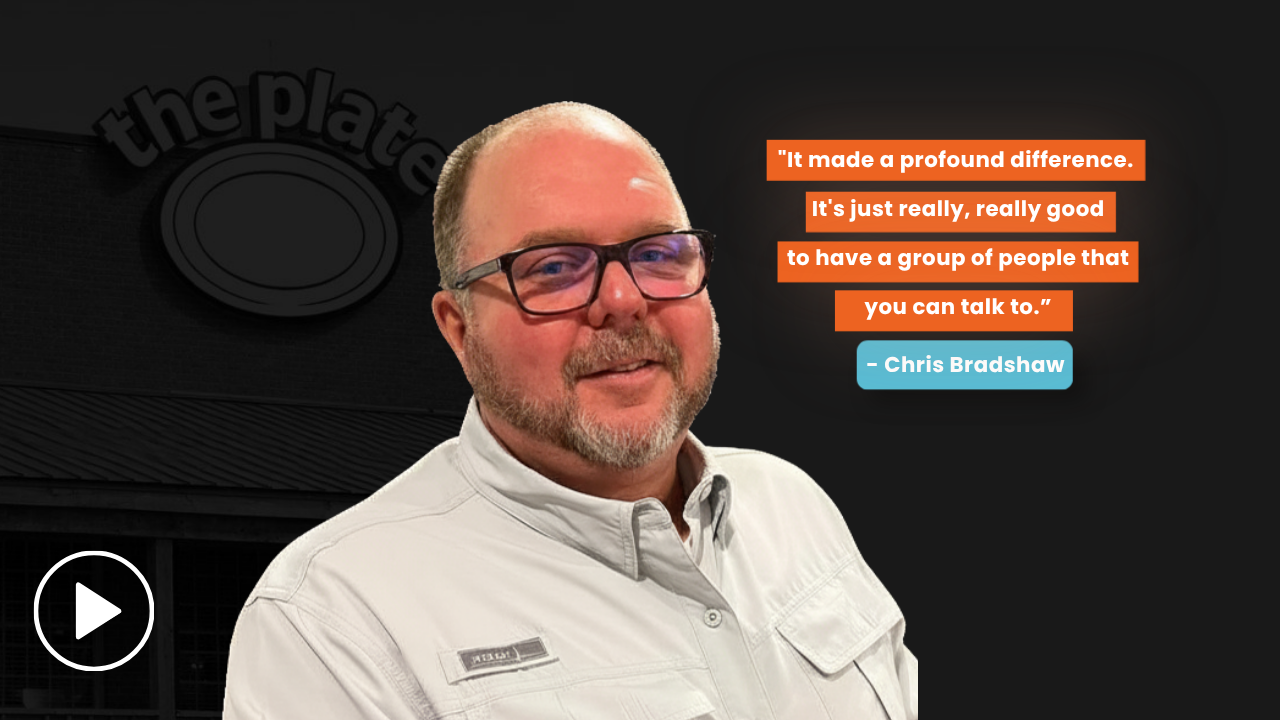
“We took Blue Plate Restaurant from 12% to 20%+ margins with P3 Mastermind.”
Chris Bradshaw
The Blue Plate
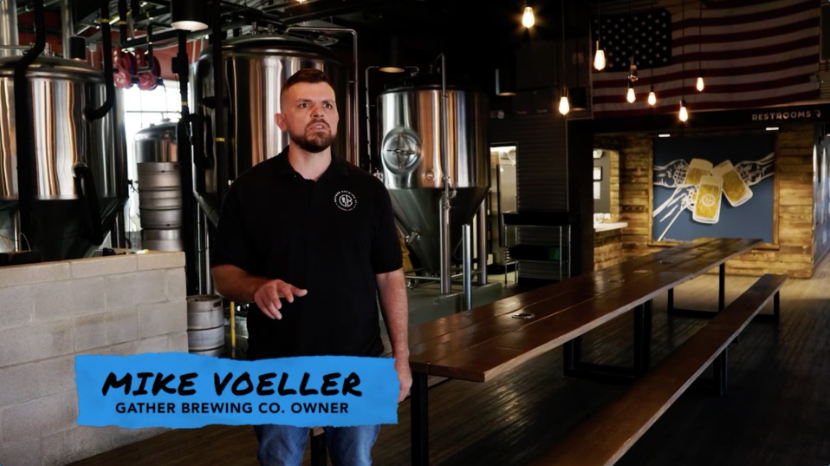
"We increased profitability from 5% to 18% in two months with P3 Mastermind.”
Mike & Rachel Voeller
Gather Brewing Co
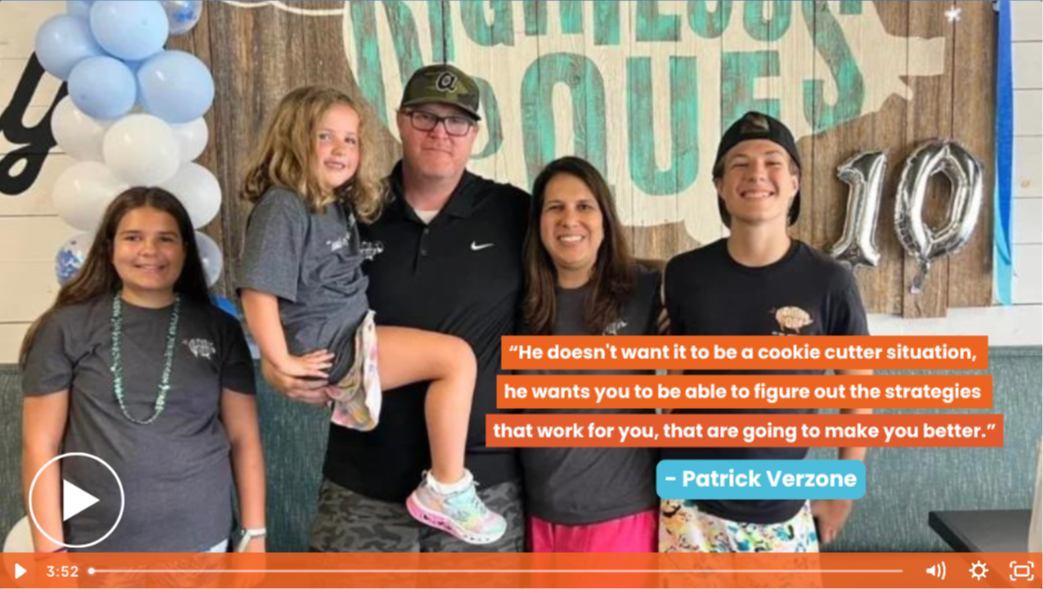
“A leap from inconsistent profits to 40% business growth and 28% net profit.”
Patrick Verzone
Righteous 'Que
THE SIX PILLARS
The Six Systems Behind Every Profitable Restaurant
Profit doesn't come from one thing. It comes from six things working together.

Profitability
Revenue without margin is just activity. Topline growth means nothing without bottom-line protection.

Marketing
Marketing drives the first visit. Revenue systems determine how much each guest is worth.

Revenue
Controlling costs gets you to break-even. Growing revenue gets you to real profit.

People
Your team is your biggest asset — or your biggest cost. Learn to make the difference.

Leadership
Great restaurants aren't built alone. Lead a team that drives results for you.

Operations
Chaos kills profit. Systematize your restaurant so it runs without burning you out.
THE OUTCOME
What the Leadership Shift Actually Looks Like
When the shift happens — from operator to owner, from hope to system — the whole business changes. Not overnight. But unmistakably.
Managers Who Protect the Margin
They know the prime cost target. They know what a profitable shift looks like. They make decisions that serve the P&L — not just the floor.
Profit You Can Plan Around
Consistent, predictable, month after month. Not a surprise — a target you hit because you built the whole expense structure around reaching it.
A Team That Doesn't Need You for Everything
Leadership depth means decisions get made without a call to the owner. Problems get solved before they escalate. The restaurant runs.
The Restaurant Working for You
A vacation you can actually take. Weekends you can protect. A business that produces the life you opened it to build — not just the stress of keeping it alive.
THE P3 MASTERMIND
Let's Talk About What Your Restaurant Needs From You Now.
In 30 minutes, we'll look at your leadership structure, your management team, and your financial systems — and give you a clear picture of what to build first. No pressure. No pitch. Just an honest conversation about the shift.
BOOK A FREE STRATEGY SESSIONS