Profit Is a Skill, Not Luck — Here's How to Build It
"We had a good month." "I don't know what happened — the numbers just didn't work out."
Talk to enough restaurant owners and you'll hear profit described the same way people describe the weather: something that happens to you. Good luck, bad luck, flip a coin.
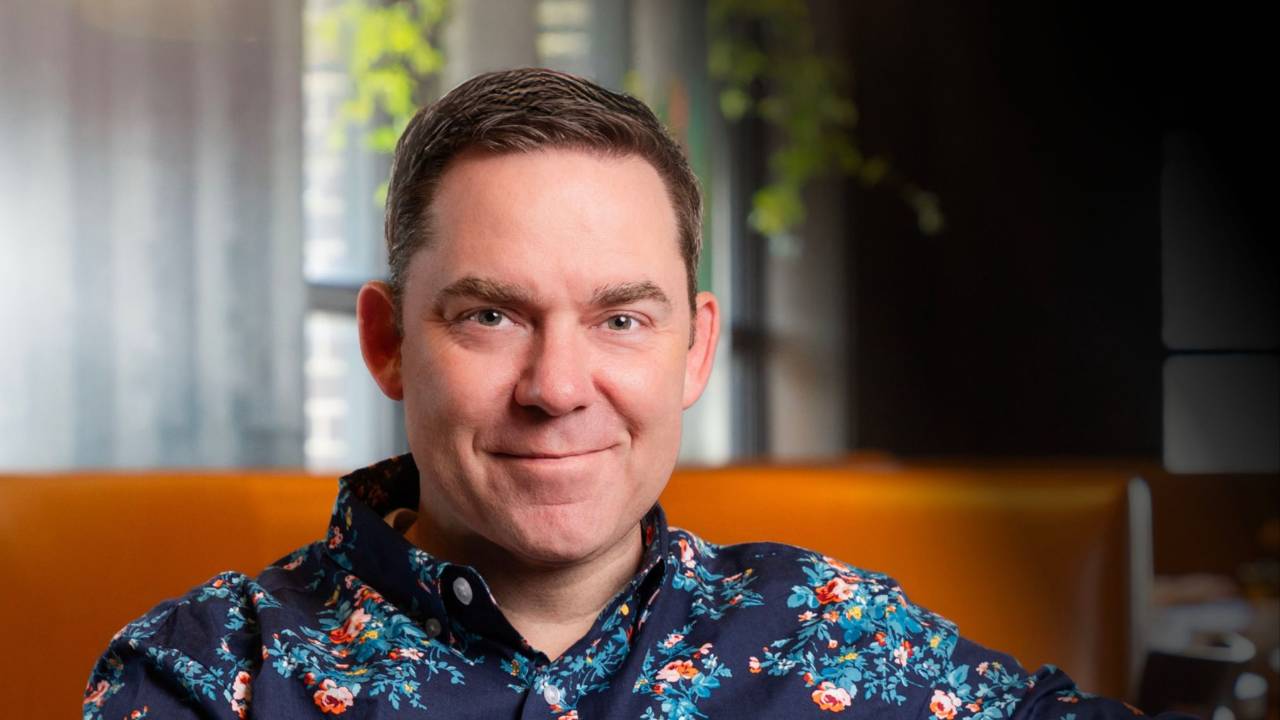
It's not. Profit isn't luck, timing, or personality. It's a skill — one you can learn, practice, and get better at, the same way you got better at running a line or reading a room during a Saturday rush. On a recent episode of the Restaurant Strategy Podcast, host Chip Klose breaks down why so many owners never learned to see profit clearly, and what it actually takes to build it on purpose.
Why Profit Feels Mysterious (It Isn't)
Most restaurant owners were trained to cook better, serve better, and work harder. Take care of your guests, take care of your team, create a great experience — all of it matters, and most operators are genuinely excellent at it.
What almost nobody gets trained on is the business side: thinking in systems, designing for margin, making trade-offs on purpose, saying no strategically. So hospitality comes naturally, and profit feels like a mystery.
It's not a mystery. It just feels like one because no one ever taught you how to see it.
Profit Is Thousands of Small Decisions, Not One Big Move
There's no silver bullet, no single fix that flips a restaurant from struggling to profitable overnight. Profit is the compounding result of hundreds of small decisions: menu choices, scheduling discipline, portion consistency, pricing confidence, how much waste you tolerate, how tightly you enforce standards.
Unprofitable restaurants rarely make one terrible call. They make hundreds of slightly soft ones — decisions that are just a little loose, a little off, repeated every day until the margin disappears. The fix isn't one big swing. It's the same daily maintenance a ship's crew does to stop rust before it starts: small, consistent, unglamorous work, repeated constantly.
Hard Work Doesn't Create Profit — Clarity Does
Here's the lie most owners tell themselves: nobody does this as well as I do, so I'll just step in and cover it myself. Hard work keeps a restaurant open. It does not guarantee profit.
Busy is a trap. Profit comes from focus, discipline, and consistency — the same traits that make someone a strong leader, not just a hard worker. That distinction matters, because it means the fix isn't "try harder." It's build the systems that make good decisions the default, so the restaurant doesn't run entirely on your willpower.
The Mindset Shift Behind Every Profitable Restaurant
The most profitable operators ask different questions than everyone else:
- Not "how do we sell more?" but "what are we subsidizing by not charging enough?"
- Not "how do we cut costs?" but "what's actually unnecessary?"
- Not "why is this so hard?" but "what are we tolerating that we shouldn't be?"
And here's the part most owners don't expect: profit is emotional before it's mathematical. Protecting margin means holding standards, enforcing pricing, sometimes disappointing a guest or an employee you like. It's uncomfortable. Most owners don't avoid profitability because they don't understand the numbers — they avoid the discomfort that protecting those numbers requires.
Systems Turn Profit Into a Habit
Profitable restaurants don't run on willpower. They run on systems — regular reviews, predictable decisions, clear thresholds, defined responsibilities. Habits beat heroics every time, and no restaurant should depend on one hero (owner included) to hold the whole thing together.
And profit itself isn't a moral scorecard. Low profit doesn't mean you're a bad operator, and high profit doesn't mean you're greedy. Profit is feedback — a signal telling you whether the system is actually working. Ignoring it doesn't make you noble. It just makes it harder to see what needs to change.
The Question to Ask This Week
Profit is not the reward for passion. It's the reward for skillful leadership — and leadership, like any skill, can be learned.
So here's the exercise: what uncomfortable decision have you been avoiding that would improve your profit? A pricing change. A menu item that needs to go. A schedule that needs to be rebuilt around actual sales, not gut feel. Whatever it is, it's not a mystery — it's a skill gap. And skill gaps close with practice.
Profit is a Skill Episode and Transcript:
[00:00:00] Most restaurant owners that I talk to, whether it's at trade shows or conferences or on
sales calls that I'm taking. For people who are Interested in the P3 mastermind, most restaurant
owners out there talk about profit like it's luck, right? Well, we had a good month. Wow, that's
great. Or, man, look at what happened. Or on the other side. Well, I, I mean, I don't know what
happened. The, the numbers just didn't work out, or I guess the margins just aren't there.
[00:00:26] As if. Profit is something that happens to you. Good luck, bad luck, flip a coin. But
here's the truth. Profit is not luck. It is not timing. Profit is not personality. Profit is a skill. And like
any skill, that skill can be learned. It can be practiced, it can be improved. Profit is something
you target at the beginning of the period and you do a series of things. You have systems in
place that make profit happen. Profit is the most important thing in your business because it
allows you to survive and thrive and help your community and provide jobs and feed people and
all of that. Profit is the most important piece of your business. And I promise you, it is a skill. It is
not luck. That's what we're going to talk about on today's episode of Restaurant Strategy.
[00:01:09] There's an old saying that goes something like this. You'll only find three kinds of
people in the world. Those who see, those who will never see, and those who can see when
shown. This is Restaurant Strategy, a podcast with answers for anyone who's looking foreign.
[00:01:41] Thanks for tuning in. My name is Chip Close. I am your host here of the Restaurant
Strategy podcast. In addition to putting out two new episodes every week, I run the P3
Mastermind. I write books, I give talks. There's so many, so much that we do to help this
industry. But guess what? We've put together and we are getting ready to launch a 12 week
restaurant opening boot camp. It's entirely virtual. We are capping this at 20 people. So if you
are getting ready to open a restaurant anytime in the next 24 months, whether this is your first
restaurant or your 10th restaurant, this is something that I want to chat with you about. It's 12
two hour sessions every Thursday starting on July 9th. So 12 Thursdays in a row, two hours.
This will save you tens of thousands of dollars or hundreds of thousands of dollars in mistakes
that we see so many owners and operators make. The best way to get started to see if you're a
good fit is to go to restaurantstrategypodcast.com opening bootcamp there you can review all of
the details about this boot camp. You can inquire there. So your name, email, phone number, tell
us a little bit about the property you're getting ready to open. We only have 20 slots and we want
to make sure these are going to the people who are really going to get the most.
[00:02:56] This program, if it goes well, it's not going to be the last time we run it, but this is the
first and we are capping it at 20restantstrategypodcast.com Opening Bootcamp. As always, you
can also find that link in the show notes.
[00:03:12] Now, do you know what the cost is on your third best selling entree? With Margin
Edge, you could know that food cost percentage instantly. See, Margin Edge is a complete
restaurant management software that I recommend to all of the P3 members, anyone looking to
improve their profitability.
[00:03:28] With Margin Edge, you just snap pictures of your invoices as they come in and you
get real time data for every area of your business. You can see plate costs in real time. You get a
daily P and L, your inventory count sheets are automatically updated. I'm telling you, it saves
you a ton of time and it lets you make really informed decisions. I have a client, Gather Brewing.
They're down outside of San Antonio. They just opened a second location in Boise. They started
using Margin Edge at their first location and within 30 days their food costs went from 38% to
20%. 28%. I don't have to tell you what that means for the profitability of the restaurant. There's
a reason I recommend this software. Margin Edge is perfect for so many of you out there. I
recommend it because I know it works. You're interested in learning more or if you want to see
how Gather brewing went from 38% to 28% food costs, head over to Marginedge.com chip. You watch a really cool video that they shot down at the brewery. Again, margin edge.com chip and
yes, that link is in the show notes.
[00:04:30] Now, most owners, most owners that I've come across, we're never trained to think in
terms of profit, right? So let's start with, let's start with the empathy side of things, right? I think
most owners were trained to first and foremost cook better, serve better, work harder, care
more, take care of your employees, take care of your guests. All of that is great. So we work as
hard as we possibly can to make the best possible food, the best possible experience, provide
the best hospitality, create great jobs, a great environment for people to work In a great
environment for people to sit and celebrate and enjoy with their friends and family. Right? So
from an, from an empathetic perspective, that's what owners are taught, or at least that's what
so many owners focus on.
[00:05:17] Very few, unfortunately, were trained to see, think in systems or design for margin or
make trade offs intentionally or say no, strategically. So what happens then is that hospitality
comes naturally, but profit feels somehow mysterious. Not because it is, but simply because no
one ever taught you how to see it. If that all sounds familiar, I'm here to tell you that that's how I
was trained. I was taught all the steps of service. I was taught all these little flourishes we could
do, you know, to create great hospitality. I was taught how to wow guests, how to create great
food group great experiences. And it took me a very long time before I worked under mentors
who really talked to me and taught me the business side of things. There's nothing wrong with
understanding the business side of things because our business, right, is an infinite game. It's
not like two teams playing each other and seeing who will win. The whole idea is to keep playing
the game. The way you keep playing the game is by being profitable, creating value for your
people, for your guests, for your community, for yourselves. So it may feel mysterious, but I
promise you, it is not. It just seems mysterious because never. No one ever taught you how to
see it. No one ever taught you how to make it happen.
[00:06:31] See, profit is actually the result of thousands of small decisions. Profit isn't just one
big move. That's why it's not about, you know, sprinkling fairy dust or finding some silver bullet.
It's your menu choices. It's discipline when it comes to scheduling, it's consistency when it
comes to portion, it's confidence with your pricing, it's waste tolerance, it's standards
enforcement.
[00:06:56] Each decision may seem small, but together they compound. I know you know this, I
know all of those things compound to make a great restaurant. But I'm telling you, all of those
things compound to make a profitable one. Unprofitable restaurants don't make just one terrible
decision. They make hundreds of slightly soft ones. Things are just off. Things are not as tight as
they need to be. That's why on a ship, there's a guy or a team of people who walk around
literally just tightening screws on the boat, just wiping things down. They're always swabbing the
deck, they're always washing things down because the salt air will penetrate into the boat. It's
how rust Happens. That's how you know, mildew happens on the wood. So they tighten the
screws, they wash it all down over and over and over. It's not like we wash it once a week. We
wash it every day. The same thing is true with you. All those decisions compound to make a
great restaurant, but all of those decisions also compound to make a profitable one.
[00:07:53] Now, all of that means that you already knew how. Know how to do so much of this.
And if there are things that you don't know how to do, well, then it's just new skills or new
systems to put in place. But I promise you, you're probably 95% of the way there. Here's the
deal. Hard work does not create profit. What creates profit is clarity. And see, this is the lie that
most owners internalize. Well, if I just work harder, if I put in more hours, well, nobody knows
how to do it as well as me, and nobody does it as well as I do. So I'm just gonna. I'm just gonna
step in and do it, and I cover that shift, and I'll just jump behind the line and I'll just. And I'll just. And I'll just. You see, hard work keeps restaurants open, but it does not guarantee profit. We've
talked about this. Busy is a trap. Busy is not the same as profitable. See, profit comes from
focus. It comes from discipline. It comes from consistency, consistency through repetition. And it
comes also from having boundaries.
[00:08:51] And guess what? Those are also great leadership traits. Not effort metrics, but great
skills. Great traits that great leaders have.
[00:09:01] The problem is that so many of us have never learned from great leaders. I can
certainly attest to the fact that I worked with a lot of people who were not great leaders. And I
worked with a couple people, and I'm very outspoken about that. Just a handful, two in
particular. Two mentors that I worked with for 10 years and eight years that were exceptional
leaders. And I learned so much from those two individuals. So if you don't have somebody like
that to look to, to point to, then I understand.
[00:09:27] Then I understand where you're at. That's why you come here. If there's anything I've
learned is that I don't know it all know. No one knows it all. That I turn on this microphone twice a
week to share what I've been privileged enough to learn.
[00:09:40] Sharing, passing it on.
[00:09:42] Here's something that we almost never talk about. Profitable restaurants. The. Really,
the best restaurants think differently about almost everything.
[00:09:52] They ask different questions. They lead with curiosity. So it's not about, well, how do
we sell more, but what are we subsidizing by not charging more? It's not, well, how do we cut
costs? But thinking what actually is unnecessary, not why is this so hard? But rather what are we
tolerating that we should no longer tolerate? See, that mindset shifts. Shifting all of those will
change everything.
[00:10:21] Profit, many ways, is emotional way before it's mathematical. And this is subtle but
absolutely critical. Profit requires you to say no. It requires that you hold standards, that you
enforce pricing, that you, yes, sometimes remove favorites, that, yes, sometimes you will
disappoint people, both your employees and your guests. It's understanding where your North
Star is and being very clear on what needs to happen in order to keep going in the right
direction. And I'll be the first one to say many times, many days, that's uncomfortable. So many
owners avoid having really profitable, successful restaurants, not because they don't understand
the numbers, but because they end up spending all their time trying to avoid discomfort.
[00:11:06] If any of this is resonating, if any of this is going to your gut, then good, then I
appreciate you making this part of your week. And I hope, and I hope this pushes you to make
the change that I think you and I both know you need.
[00:11:19] Here we go. Systems are the thing that turn profit into a habit. It makes it systematic,
consistent, automatic. See profit.
[00:11:29] Profitable. Restaurants don't rely on willpower. They just simply rely on systems.
Regular reviews, predictable decisions, clear thresholds, defined responsibilities, defined
responses.
[00:11:42] And see habits be heroics. We talked about the heroes, right? Nobody needs you to
be a hero. And I don't need you to have a staff of heroes. I certainly don't need your restaurant
to lean on one hero, whether that's you or somebody else. Habits, systems that everyone can easily follow. And do they beat out heroes every single time.
[00:12:02] At the end of the day, profit is a signal, not a moral judgment. And this matters. It's
really, really important.
[00:12:09] Low profit doesn't mean you're bad, just like high profit doesn't mean you're greedy.
Profit is feedback. It tells you when and whether the system is actually working. Ignoring it
doesn't make you noble. I think it makes you blind.
[00:12:25] We could say money, you know, money doesn't cure all sins. Money isn't everything.
[00:12:29] I agree with that. But usually the people that are saying that are the people that have
never had it or the people who have never had to worry about the bottom line is money. Profit,
surplus, extra allows you an incredible amount of freedom. It allows you comfort it allows you to
take care of those around you. It allows you to level up, to create more for your community, to
provide better jobs. At the end of the day, if you want to just take all that profit and distribute it
evenly among your staff, fine.
[00:13:01] I'm guessing you'll find quite a bit of loyalty amongst your staff if you do that. I'm not
telling you to do that. Not telling you not to do that. I'm telling you profit isn't a bad thing. It's not a
dirty word. You can do whatever you want with profit. And I promise you that the more successful
you are, the more you're going to be able to help your employees, your guests, your community.
You'll be able to give more to charity. You'll be able to say yes a lot more than you are currently
able to.
[00:13:27] Again, all of this profit is feedback. And ignoring it doesn't make you noble. I believe it
simply makes you blind.
[00:13:36] There's a paradigm shift that I, that I. That I hope you'll take. Here, right here it is.
Profit is not the reward for passion. It is the reward for skillful leadership. And again, I talked
about the skillful leadership. Nobody's a born leader. People learn it. It's a skill. How do you
listen? How do you get better at asking great questions? How do you see opportunities where
other people only see risks?
[00:14:03] Skills can be learned. That kind of thinking can be learned. Meaning profit is a skill
that can be learned.
[00:14:11] So here's what I want you to do, right? The whole point of this is to stay actionable. At
the end of every episode, I want you to ask yourself, what uncomfortable decision have I been
avoiding that would improve profit?
[00:14:24] When you identify that, I want you to see that that's just a skill gap. What
uncomfortable decision have I been avoiding that would improve profit? There's something you
can do that would immediately increase the profitability of your restaurant. I'm guessing that
most of you listening probably already have your finger on something. If you don't, fine, give
some thought to it. Look at your operation. Look at your ordering, look at your menu, look at your
staffing, look at your hours of operation, look at the product you bring in. There are a million
different things you can look at.
[00:14:54] But I'm guessing that there are some uncomfortable decisions, some difficult
decisions that you have just been avoiding, and that's going to increase your profitability. It's
going to make you a more successful restaurant. [00:15:05] Again, I'll end the way I began. Profitable restaurants aren't lucky. They are trained.
They are Systematic, they are habitual. There are routines put in place and training beats talent
every single time.
[00:15:21] As always, I want to thank you guys for taking time out of your week and being here.
One final reminder before I let you go. We're doing a 12 week restaurant opening boot camp. So
the P3 mastermind, the signature coaching program I run, is really for established restaurants
that struggle with profitability. Restaurants that are looking to dial in profits and then grow, right?
Grow from one to three locations, three to 10 locations. That's what the mastermind is all about.
And we can help there. But I know there are people who could use our help, our expertise.
Expertise before you're ready there. So if you are opening a restaurant sometime in the next 24
months, this is something I would urge you to consider. You can save yourself tens of thousands
of dollars or even hundreds of thousands of dollars in mistakes made by listening to a couple of
experts walk you through every area. Right? So from lease negotiation to permitting to building a
critical path, to working out your menu to hiring, staffing, training, publicity, press, everything you
need to get through that all important open process. It's 12 two hour sessions that start July 9th.
We are capping this at 20 people. If this sounds interesting at all, go to
restaurantstrategypodcast.com opening bootcamp. You can learn more about it there. And you
can see a button says inquire now. Click there. Just fill out the form, answer some questions so
we can better understand about the restaurant you're looking to open and we'll set up a
conversation from there. Again, I appreciate you guys being here. If you're opening a place in
the next 24 months, consider the restaurant opening boot camp. That link is in the show notes.
Appreciate you guys and I will see you next time.
AUTHOR